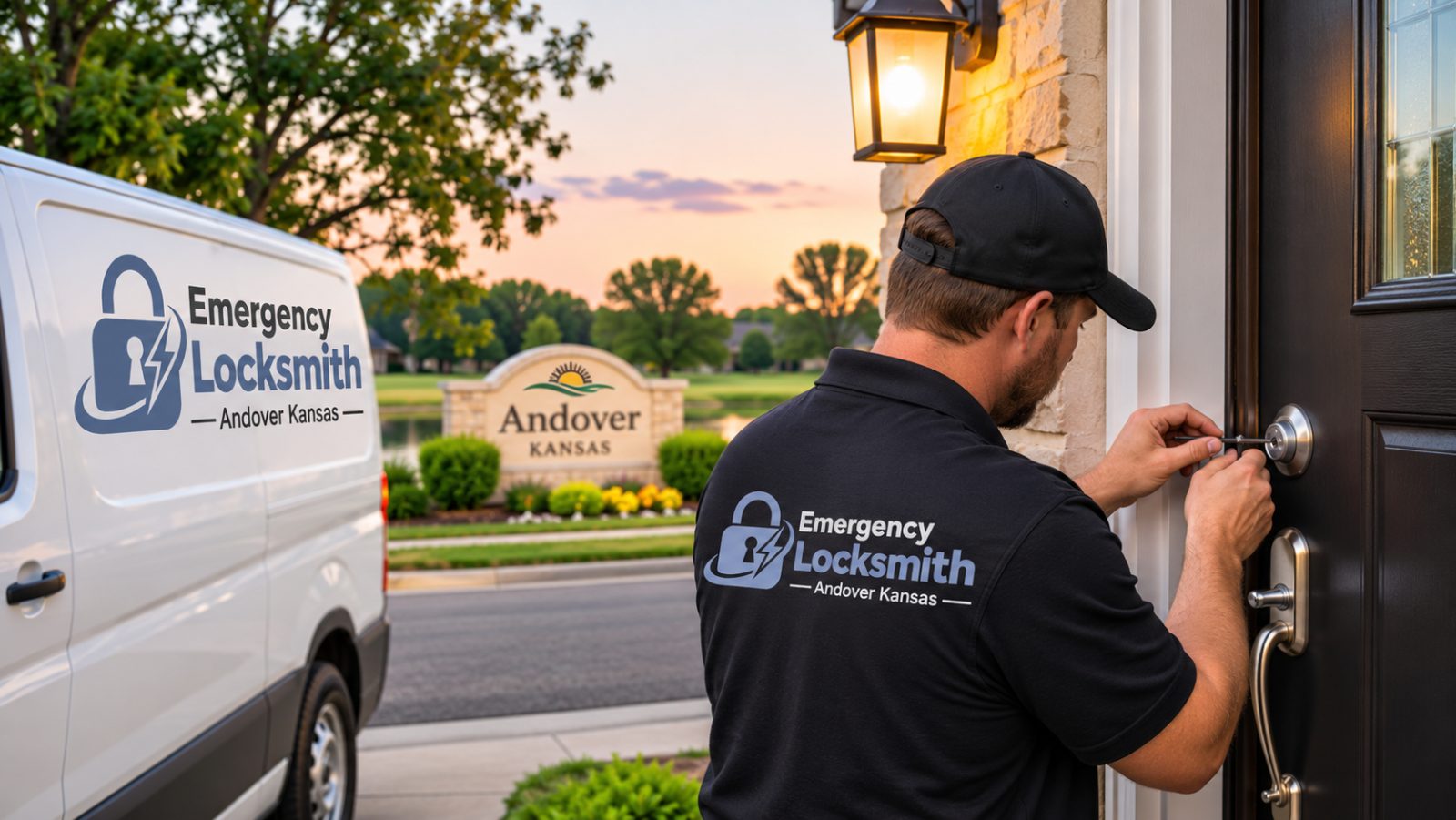
Stuck and Snapped Keys
Broken Key Extraction in Andover, KS
Key snapped inside a lock? Avoid forcing it and call (289) 402-8562. Call (289) 402-8562
Stuck and Snapped Keys
Key snapped inside a lock? Avoid forcing it and call (289) 402-8562. Call (289) 402-8562
A key can break unexpectedly when metal becomes worn, a lock binds, or too much force is applied. Once a fragment remains inside the cylinder, the lock may stop working entirely. Broken Key Extraction from Emergency Locksmith Andover focuses on assessing the damaged key and lock before attempting removal.
Extraction methods depend on how deeply the fragment is lodged, whether the cylinder is damaged, and whether the key broke while turned. Pulling at the fragment with unsuitable tools can push it farther inside or damage internal components. If a key has snapped, avoid inserting another key or adding household adhesives.
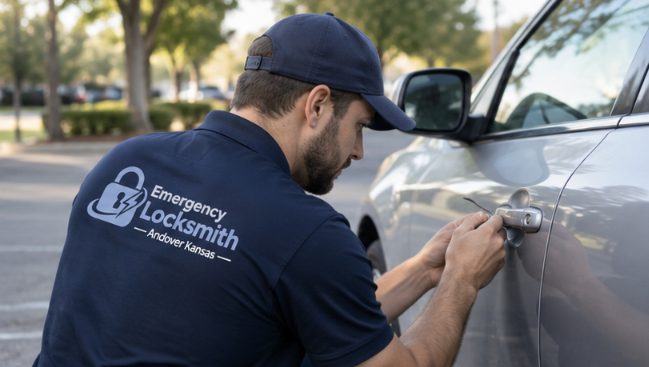
The goal is to remove the fragment while preserving usable hardware where practical. A separate repair may be necessary if the lock failed before the key broke.
Residential keys can snap in deadbolts or knob cylinders. The fragment's position and the lock's condition determine the extraction approach.
Frequently used workplace locks can develop wear that contributes to key damage. Extraction should be followed by an assessment of recurring resistance.
Automotive door cylinders may require specialized access and careful handling. Vehicle-specific construction affects the procedure.
A broken key inside an ignition can interfere with normal operation. Additional diagnosis may be necessary if the ignition mechanism is worn or damaged.
After removing the fragment, the cylinder should be checked for normal operation. A new key alone may not solve an underlying mechanical problem.
We consider the fragment position and cylinder condition before selecting an extraction method.
A snapped key can be a symptom of lock wear or binding.
We explain when extraction may need to be followed by lock repair or replacement.
Tell us which lock contains the broken key and whether the fragment is visible.
Free — no obligations
Avoid pushing the fragment farther into the cylinder.
Explain the lock type and whether part of the key remains visible.
Assess the fragment position and signs of mechanical damage.
Use an appropriate method based on the lock and fragment condition.
Check whether the lock works normally and discuss any further repairs.

No. Glue can bond the fragment to internal components and make extraction more difficult. Avoid adhesives and additional force until the lock can be assessed.
Sometimes. If the fragment can be extracted and the cylinder remains functional, replacement may not be necessary. Internal damage or severe wear can change that recommendation.
Metal fatigue, a worn key, a binding cylinder, or door alignment problems may contribute. The broken key and lock should both be examined. Simply making another copy may not address the cause.
Yes. A fragment may obstruct the ignition or prevent the mechanism from reaching the proper position. Ignition damage or other vehicle problems can also be involved. Avoid forcing the ignition to turn.